MSK Centre health & wellness
Injured on the Ice? Build Your Way Back With Rehabilitation
Your Guide to Hockey Rehabilitation at MSK Centre
Learn how a multidisciplinary rehab plan can help you rebuild strength, balance, and control for a confident return to the ice.
01 / Hockey Rehab Guide
We love hockey season here at MSK Centre, but we also know the sport asks a lot from the body. Skating alone requires a blend of strength, balance, and coordination. Add in hockey’s quick stops, sharp turns, and high contact, and you’ll find that even a minor injury can have a big impact.
Fortunately, the multidisciplinary team at MSK Centre offers comprehensive hockey rehabilitation services to help prepare your body for the demands of returning to the ice. Let’s take a look at some of the common questions we get about our approach.
Hockey Rehab Questions, Answered: What You Need to Know
What injuries commonly require hockey rehabilitation?
Hockey injuries can affect almost any part of the body, but some areas experience greater stress because of skating mechanics, contact, and repetitive movements. Some of the common reasons players see us at MSK Centre include:
- Groin and hip strains
- Knee ligament injuries
- Ankle sprains
- Shoulder injuries
- Low back pain
- Concussion-related symptoms
What happens during a hockey rehabilitation assessment?
An effective rehabilitation rehab plan starts with an understanding of your specific needs, which is why an in-depth assessment is so useful. We’ll start by discussing your symptoms, concerns, health history, and overall rehab goals. Then we’ll perform a physical evaluation that looks at:
- Joint mobility
- Muscle strength
- Balance
- Movement control
- Hockey-specific movements like squatting, lunging, pushing off, or changing direction
What treatments are used during hockey rehabilitation?
MSK Centre offers a multidisciplinary approach, enabling us to create comprehensive rehab plans that more fully address your needs. Our different providers can collaborate and adjust care as your needs change, helping create a coordinated path from injury rehabilitation to a safe, confident return to the ice. Here’s what we offer:
Physiotherapy
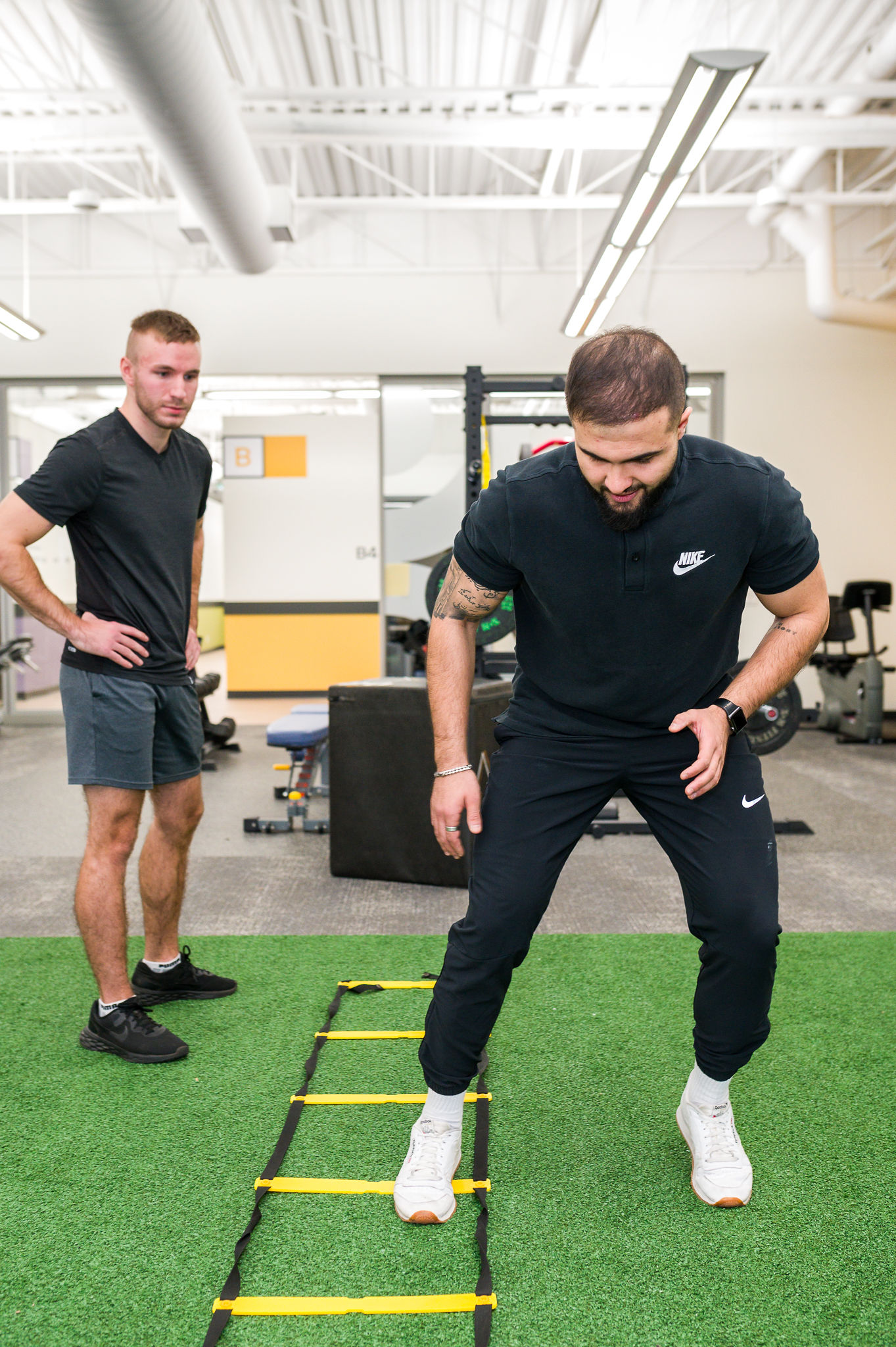
A physiotherapist may use progressive strengthening, mobility exercises, balance work, neuromuscular training, and hockey-specific movements to improve function and prepare you for the demands of skating.
Chiropractic Care
Chiropractic treatment may include joint and soft tissue techniques, exercise, and movement strategies to address musculoskeletal pain and mobility limitations.
Massage Therapy
Registered massage therapy may be incorporated to address muscle tension, soreness, and soft tissue symptoms as you progress through rehabilitation.
Kinesiology and Exercise Training
Progressive conditioning can help rebuild strength, power, endurance, and physical capacity for the demands of hockey.
How does rehabilitation prepare me to skate again?
Returning to normal daily movement does not automatically mean your body is ready for hockey. Skating places unique demands on the hips, knees, ankles, and trunk, so it’s important your treatment plan addresses these demands directly.
Your rehabilitation program may therefore progress toward:
- Single-leg strength
- Lateral movement
- Explosive power
- Quick direction changes
- Dynamic balance and control
- Endurance
- Repeated high-effort activity
How do I know when I’m ready to return to hockey?
Return-to-play decisions consider several factors, including whether you have regained sufficient strength, movement, balance, and control to meet hockey’s demands. You may also complete functional exercises that test how your body responds to faster or more challenging movements.
The return itself is usually gradual. You might progress from rehabilitation exercises to skating, then non-contact drills, more demanding practices, and eventually full participation when appropriate. This approach gives the body time to adapt while your care team evaluates how you respond.
Can hockey rehabilitation help reduce the chance of another injury?
No rehabilitation program can prevent every injury, especially in a fast-paced, high-contact sport like hockey.
However, rehabilitation can help address factors that may be relevant to future injury risk, such as physical capacity, sport-specific readiness, and tolerance for training demands. Improving strength, balance, mobility, and coordination can help players better manage the demands of hockey. We’ll let you know which areas should remain part of your regular training, which help you maintain the gains achieved during rehab.
Let’s Get You Back on the Ice
A hockey injury can interrupt your season, but recovery should focus on more than simply getting through the next game. Effective rehabilitation helps rebuild the strength, movement, and physical capacity your body needs for the demands of the sport.
At MSK Centre, our multidisciplinary team can create a rehabilitation plan around your injury, goals, and level of play. If pain or injury is keeping you off the ice, contact us today to schedule an assessment and start working toward a confident return to hockey.
A next step that fits your goals
Let’s Build Your Complete Care Plan
Whether your goal is to recover, stay active, or simply move more comfortably, our complete healthcare team can help connect the right services for you.
Medical Weight & Wellness
Why Now Is the Right Time to Focus on Your Health
Getting started doesn’t have to mean changing everything at once.
By the Waterloo Medical Weight & Wellness Team
With Dr. Jennifer Dignam, MD, DABOM, Laura Bender, RD, CDE & Abby Christy, RD

When is the best time to start working on your health? After the holidays? When work settles down? Next Monday?
Life rarely gives us a perfectly quiet stretch. At Waterloo Medical Weight & Wellness at MSK Centre, we encourage people to ask a different question: What is one thing I can do now that could make my health better six months from today?
Look Beyond the Scale
Weight is only one part of health. Energy, blood sugars, mobility, pain, sleep, and your relationship with food matter too. Genetics, medications, stress, and medical conditions can all influence weight, which is why medical weight management looks beyond willpower alone.
Make Nutrition Work for You
Knowing what to eat and making it work during a busy week are two different things. Small, realistic changes, such as eating a more satisfying breakfast, planning quick dinners, or avoiding skipped meals, can make healthy habits easier to maintain.
Choose Changes You Can Repeat
You don’t need to create an entirely new routine. Keeping nutritious snacks available, taking a short walk after dinner, or preparing breakfast ahead of time can be meaningful first steps. Aim for changes that fit your real life, including busy weeks, celebrations, and vacations.
Movement matters, too. Walking, strength training, cycling, swimming, and gardening can all support strength, mobility, cardiovascular health, and overall well-being.
Explore the Support That Fits Your Needs
For some people, prescription weight-management medication can help address biological factors affecting appetite and weight. Registered Dietitian support can also help ensure you’re getting adequate nutrition as your appetite and eating patterns change.
So, Why Now?
Your first step doesn’t need to be dramatic. It simply needs to move you toward better health.
Six months from now, the small changes you repeat consistently may matter far more than a strict plan you followed for two weeks.
There is no perfect time to start taking care of your health. There is simply the next useful step.
Programs at MSK Centre
Announcing Our New 40+ Personal Training Program!
At MSK Centre, we know that getting back to regular exercise (or starting from scratch) can be intimidating, especially if you’re middle-aged or older. Fortunately, you’ve got a helping hand with our new personal training program.
Ready to Get Started?
If you think you’d benefit from our new program, contact MSK Centre today to set up your initial appointment!
Patient experience
Real Feedback, Real Care
“I had physio and acupuncture with Antoine Vargese over several months. I was so pleased how the treatments helped me. They eased and removed joint pain so I could function normally again. I credit the combination of physio with acupuncture and Antoine’s expertise in helping me. And would recommend it to anyone in need of physio.”
— Betty S.
Exercise of the Month
LUNGES
Stand tall with your feet hip-width apart. Step one foot backward and lower your back knee toward the floor, keeping your front knee aligned over your ankle. Push through your front heel to return to the starting position. Alternate legs with each rep.
3 Sets, 10 Reps (each leg).
Thank you for subscribing to MSK Centre!
Share your success story
Your Feedback Helps Others Find Care
Love your experience with MSK Centre? Click the button to leave us a Google review—your feedback helps others find the care they need!
Recipe of the Month
Crispy, Oven-Baked Sweet Potato Fries
For sweet potato fries that actually stay crisp, all you need is your oven and a clever cornstarch trick.

Ingredients
For the Fries:
- Cooking spray
- 2 tablespoons neutral oil, such as vegetable oil
- 3/4 cup water
- 3 tablespoons cornstarch
- 3 tablespoons white rice flour
- 1/2 teaspoon baking soda
- 2 (12 ounces each) sweet potatoes, trimmed, cut in half crosswise, and cut into 1/2-inch thick sticks
Seasoned Salt:
- 1 1/2 teaspoons kosher salt, plus extra for seasoning; for table salt, use half as much by volume
- 1/2 teaspoon sweet paprika
- 1/2 teaspoon garlic powder
- 1/4 teaspoon cayenne
Fry Sauce (optional):
- 1/2 cup mayonnaise
- 1 tablespoon ketchup
- 1 tablespoon sriracha
- 2 teaspoons white wine vinegar
- 1/2 teaspoon garlic powder
Directions
- Adjust oven rack to lowest position and heat oven to 425°F. Spray rimmed baking sheet with cooking spray. Add oil to prepared sheet and tilt sheet until surface is evenly coated with oil. In a small bowl, combine salt, paprika, garlic powder, and cayenne; set aside.
- In a large microwave-safe bowl, whisk water and cornstarch, making sure no lumps of cornstarch remain on bottom of bowl. Microwave, stirring every 20 seconds, until mixture begins to thicken, 1 to 3 minutes. Remove from microwave and continue stirring until mixture thickens to a thin yogurt-like consistency. (If necessary, after microwaving, add up to 3 tablespoons additional water to achieve correct consistency.)
- Add rice flour and baking soda to cornstarch mixture and whisk to combine. Add cut sweet potato sticks and toss until each is evenly coated. Transfer fries to prepared baking sheet, arranging them in a single layer with one flat cut side down, and space between each piece. (Some cornstarch mixture will remain in bowl.)
- Bake until bottoms are beginning to brown and fries easily release from pan, about 20 minutes. Remove sheet from oven and, using a thin spatula, loosen the fries and carefully flip taking care not to tear. Rotate pan and return to oven to continue to bake until second sides are golden brown, about 15 minutes.
- For the Fry Sauce: While fries bake, in a small bowl, whisk together mayo, ketchup, sriracha, vinegar, and garlic powder.
- Sprinkle fries with prepared salt mixture and toss fries to distribute seasoning evenly. Transfer fries to paper towel–lined platter and let cool about 5 minutes. Serve fries with prepared sauce, if desired.

Refer a friend
Share the Care
If you’ve experienced the outstanding care at MSK Centre, why not share it with your friends? Referring them means giving them access to personalized treatment that can make a real difference in their health and well-being. Help them find a trusted healthcare partner—refer a friend to MSK Centre today!
The complete healthcare team
Meet Our Team

Robert Chalmers
B.Sc.(PT), B.A.(PHE), MCPA
Drew Dupras
Hons. B. Kin, M.Sc.PT

Jordan Fayez
BKin (Hon), M.Sc.PT
Parth Suthar
Hons. BHSc. Kin, DPT
Joan Tew
B.H.Sc.PT
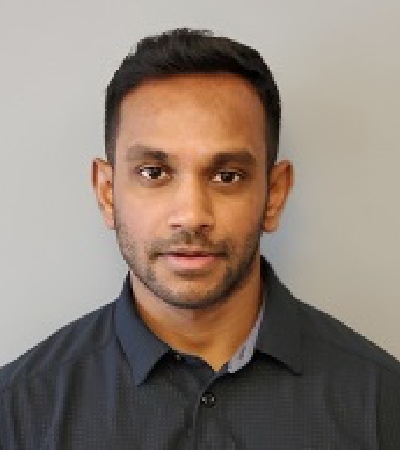
Thirusan Thiruchelvam
B.Sc.Kin(Hons), M.Sc.PT, Cert.SMT

Adam Yousufzay
BSc Honours, MScPT

Adrienne Paliyath
BSc(Kin), M.Sc.(P.T.)

Alexandra Ilich
B.H.Sc.(PT), H.B.Sc., MCPA, Advanced BoneFit™ Certified
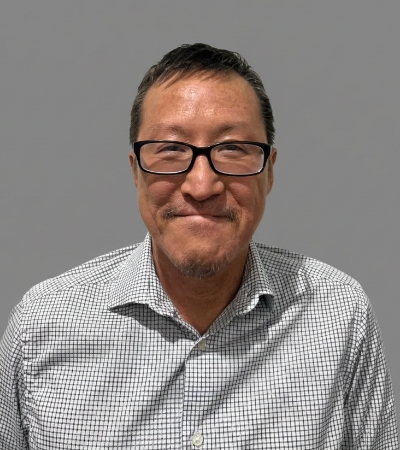
Patrick Lee
PT, BScPT, BSc, MSc

Dr. Julia Callaghan
B.Sc. (Hons), DC
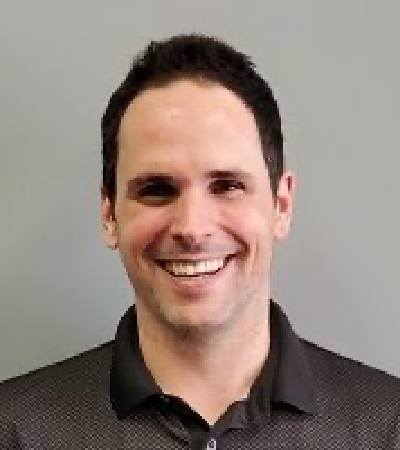
Dr. Joel Dixon
B.Kin. (Hons), DC

Dr. Michael Frey
B.Sc. (Hons.), DC
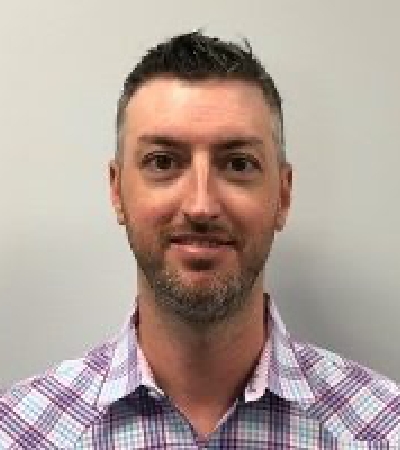
Dr. Kevin Fuss
B.Sc, DC
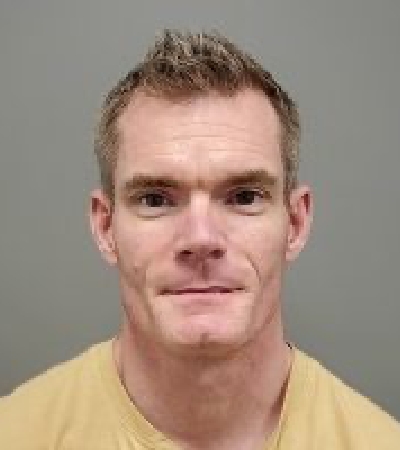
Dr. Andrew Robb
BA, DC, FRCCSS(C), CSCS, Acu., ART®

Dr. Nick Bayley
MD, FRCS(C), Dip Sport Med

Dr. Olivier Gauthier-Kwan
MD, FRCS(C)
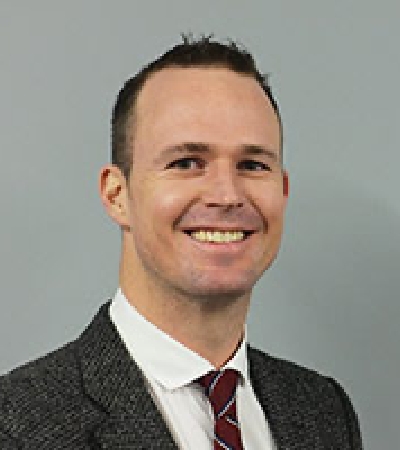
Dr. Chris Geddes
MD, MSc, FRCS(C)

Dr. Brandon Girardi
MD, MEd, FRCS(C)

Dr. Paul Grosso
MD, FRCS(C)

Dr. Thomas Hupel
MD, MSc, FRCS(C)

Dr. Rick Lau
MD, MSc, FRCS(C)

Dr. Matthew Snider
MD, FRCS(C)

Dr. David Stevens
MD, BSc, FRCS(C), CIME

Dr. Horacio Yepes
MD FRCSC
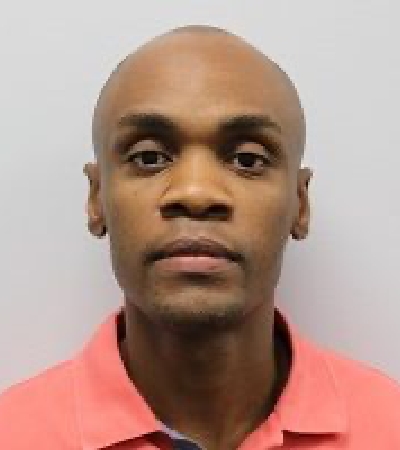
Dr. Kevin Asem
MD, CCFP(SEM), Dip Sport Med

Dr. John McCuaig
MD, CCFP(SEM), Dip Sport Med

Alicia Petrie
CCPA, B.Sc.PA, B.Sc.Kin (Hons)

Kim Schlattman
CCPA, B.H.Sc. PA, BSc. (Hons)