
Don’t Let Spring Sports Injuries Take You Out of the Game!
The weather is starting to warm up, and you know what that means: Goodbye ice and hello turf! Now’s the time of year we hit the fields and trails for lacrosse, soccer, running, and much more.
However, with the return of spring sports often comes a predictable spike in injuries. These activities place new demands on the body after months of winter hibernation, and if you go in unprepared, you risk muscle fatigue, joint pain, and other issues.
Fortunately, many spring sports injuries are preventable. And even if you do suffer an injury, the team MSK Centre can help you get back in the game as quickly and safely as possible.
Understanding Spring Sports Injuries
Although many people associate sports injuries with one bad movement–such as a hard collision or fall-most injuries aren’t so dramatic. In fact, they usually build over time due to a blend of different contributing factors, including:
- Rapid increase in activity level
- Reduced strength or endurance due to being less active over the winter
- Limited joint mobility
- Poor landing, running, or throwing mechanics
- Fatigue late in games or training sessions
Addressing these factors early can reduce your risk of injury.
Common Spring Sports Injuries We See
Lower Body Strains and Sprains
- These injuries often affect the calf, hamstring, ankle, or knee. They occur when muscles are asked to generate force too quickly after a period of inactivity.
Tendon Pain
- Tendons respond poorly to sudden increases in training volume, leading to pain in the affected area. This injury often occurs in the Achilles tendon, the patellar tendon (located just below the kneecap), or the elbow or shoulder tendons.
Joint Overload
- Hip, knee, and shoulder joints may become sore or stiff due to repetitive impact, throwing, or pivoting.
Lower Back Pain
In athletes, lower back pain is often linked to reduced core strength and poor movement control after winter.
Preventing Spring Sport Injuries with MSK Centre
Injury prevention works best when it’s specific, structured, and guided by the trained clinicians at MSK Centre. Our team can perform a comprehensive assessment to identify any weaknesses or improper movement patterns that may put you at risk of injury. We’ll then work with you to address them through:
Sport-Specific Strength Programs
Our physiotherapists and kinesiologists design strength programs that match the demands of each sport. For example, runners and soccer players benefit from enhanced lower-body strength and impact control, while throwing athletes need to develop shoulder and upper back stability.
Biomechanical Corrections
Poor movement patterns increase injury risk over time. We’ll assess how you run, jump, cut, lift, or throw, then work to correct any issues with targeted exercises and coaching.
Effective Warm-Up Strategies
Our clinicians educate you on warm-ups that activate key muscle groups and prepare joints for sport. These routines are short, practical, and easy to apply before practices or games.
Mobility Where It Matters
Restricted joint movement can shift stress to other areas, increasing injury risk. We’ll address limitations in the ankles, hips, spine, or shoulders using manual therapy and guided mobility exercises.
Fatigue and Workload Management
Many injuries occur when athletes are tired. We can help you build conditioning and recognize early signs of overload to support consistent performance throughout the season.
Addressing Sports Injuries with Our Team
Of course, sometimes an injury occurs despite your best efforts. When it does, our multidisciplinary team will help you restore movement, strength, and confidence so you can safely return to sports. Techniques we use when treating sports injuries include:
Manual Therapy
Hands-on treatment helps reduce joint stiffness and muscle tension, improving movement and decreasing pain signals.
Targeted Exercise Therapy
Targeted strength and control exercises–tailored to your sport and injury–help improve tissue capacity so your body can handle training demands again.
Movement Retraining
We’ll assess and correct movements such as running, jumping, cutting, and throwing mechanics to reduce strain on vulnerable areas.
Load Management
We’ll help you plan a safe return to sport by adjusting volume, intensity, and rest.
Start the Spring Sports Season off Right
We know you’re excited to enjoy the warm spring weather. With the right preparation, smart training, and supportive care, your body can keep up with what you ask of it.
Now’s a great time to schedule a pre-season assessment so you can start the season off with confidence!

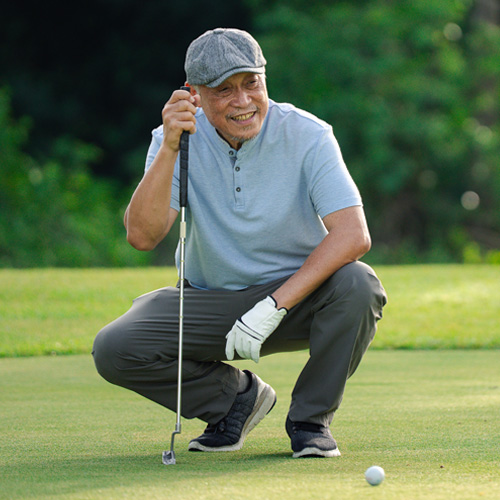
Return to PT at MSK Centre!
Miss feeling your best? Come back to MSK Centre and let us help you get there—schedule your appointment today!
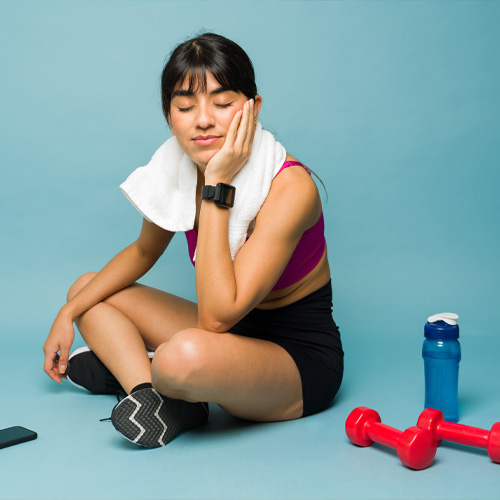
Exercise & Mental Health
Everyone knows that regular exercise is good for the body. But exercise is also one of the most effective ways to improve your mental health. Regular exercise can have a profoundly positive impact on depression, anxiety, ADHD, and more. It also relieves stress, improves memory, helps you sleep better, and boosts overall mood. And you don’t have to be a fitness fanatic to reap the benefits. Research indicates that modest amounts of exercise can make a difference. No matter your age or fitness level, you can learn to use exercise as a powerful tool to feel better.
Exercise and depression. Maintaining an exercise schedule can prevent you from relapsing. It promotes all kinds of changes in the brain, including neural growth, reduced inflammation, and new activity patterns that promote feelings of calm and well-being. It also releases endorphins, powerful chemicals in your brain that energize your spirits and make you feel good. Exercise can also serve as a distraction, allowing you to find some quiet time to break out of the cycle of negative thoughts that feed depression.
Exercise and anxiety. Anything that gets you moving can help, but you’ll get a bigger benefit if you pay attention instead of zoning out. By adding this mindfulness element—really focusing on your body and how it feels as you exercise—you’ll not only improve your physical condition faster, but you may also be able to interrupt the flow of constant worries running through your head.
Exercise and ADHD. Exercising regularly is one of the easiest and most effective ways to reduce the symptoms of ADHD and improve concentration, motivation, memory, and mood. Physical activity immediately boosts the brain’s dopamine, norepinephrine, and serotonin levels—all of which affect focus and attention.
Exercise and PTSD and trauma. Evidence suggests that by really focusing on your body and how it feels as you exercise, you can actually help your nervous system become “unstuck” and begin to move out of the immobilization stress response that characterizes PTSD or trauma. Instead of thinking about other things, pay close attention to the physical sensations in your joints and muscles, even your insides as your body moves. Exercises that involve cross movement and that engage both arms and legs—such as walking (especially in sand), running, swimming, weight training, or dancing—are some of your best choices.
Outdoor activities like hiking, sailing, mountain biking, rock climbing, whitewater rafting, and skiing (downhill and cross-country) have also been shown to reduce the symptoms of PTSD.
When you’re under the cloud of an emotional disorder and haven’t exercised for a long time, setting yourself extravagant goals like completing a marathon or working out for an hour every morning will only leave you more despondent if you fall short. Better to set yourself achievable goals and build up from there.


“Absolute excellence in care received from initial triage phone assessment to recommendations for treatment. Very much appreciate this service structure.”
-Lorna P.
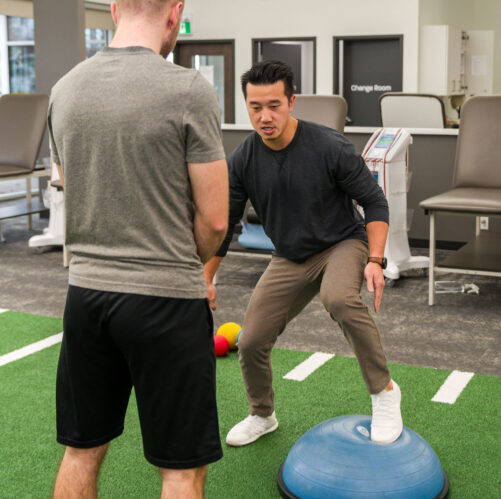
Announcing Our New 40+ Personal Training Program!
At MSK Centre, we know that getting back to regular exercise (or starting from scratch) can be intimidating, especially if you’re middle-aged or older. Fortunately, you’ve got a helping hand with our new personal training program.
Ready to Get Started?
If you think you’d benefit from our new program, contact MSK Centre today to set up your initial appointment!
Follow Us on Instagram!
Exercise of the Month
BENT OVER ROWS
Hold a weight in your hand. Slightly bend your knees and bend at your waist to bring your torso forward. Make sure your back remains flat and about parallel to the floor. Pull the weight towards you. Make sure your elbows stay close to your body. Slowly return to the starting position.
3 Sets, 10 Reps. (Materials needed: dumbbells)

Thank you for subscribing to MSK Centre!

Share Your Success Story
Love your experience with MSK Centre? Click the button to leave us a Google review—your feedback helps others find the care they need!

Healthy Recipe
Crock Pot Irish Stew
This Crock Pot Irish Stew is a hearty, comforting classic that’s perfect for celebrating spring. Slow-cooked and full of rich flavor, it’s an easy, cozy meal to enjoy with family and friends. 🍀
Ingredients:
- 2 lbs beef chuck roast, cubed
- 2 large potatoes, peeled and diced
- 2 cups diced carrots
- 1 envelope onion soup mix
- 2 (10¾ oz) cans tomato soup
- 1 soup can water
- 16 oz frozen peas
- salt and pepper, to taste
- parsley, for garnish
Directions:
- Combine beef, potatoes, carrots, soup mix, tomato soup, can of water, salt and pepper in Crock Pot.
- Cook on LOW 8 hours.
- Add frozen peas and ¼ cup water.
- Cook on LOW 1 additional hour.
- Garnish with parsley.
Refer a Friend

If you’ve experienced the outstanding care at MSK Centre, why not share it with your friends? Referring them means giving them access to personalized treatment that can make a real difference in their health and well-being. Help them find a trusted healthcare partner—refer a friend to MSK Centre today!
Meet Our Team

Robert Chalmers
B.Sc.(PT), B.A.(PHE), MCPA
Drew Dupras
Hons. B. Kin, M.Sc.PT

Jordan Fayez
BKin (Hon), M.Sc.PT
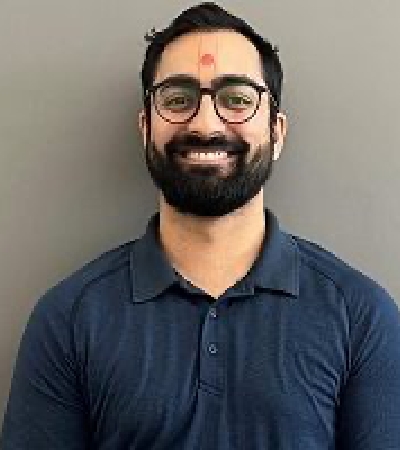
Parth Suthar
Hons. BHSc. Kin, DPT
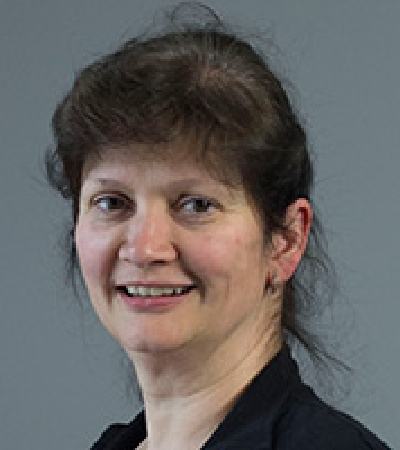
Joan Tew
B.H.Sc.PT
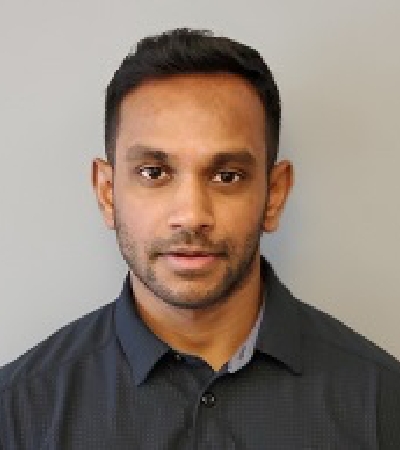
Thirusan Thiruchelvam
B.Sc.Kin(Hons), M.Sc.PT, Cert.SMT

Vito Manchisi
BKin Honours, MScPT
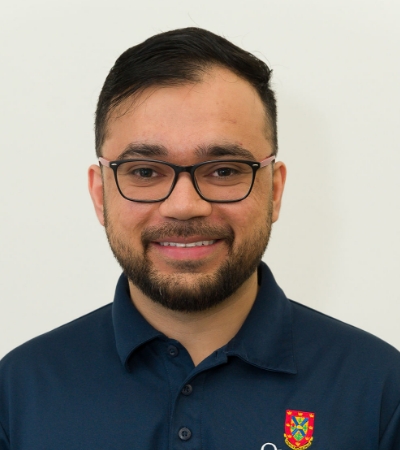
Adam Yousufzay
BSc Honours, MScPT

Adrienne Paliyath
BSc(Kin), M.Sc.(P.T.)

Alexandra Ilich
B.H.Sc.(PT), H.B.Sc., MCPA, Advanced BoneFit™ Certified
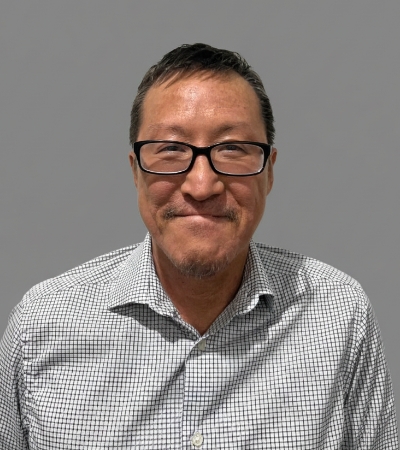
Patrick Lee
PT, BScPT, BSc, MSc
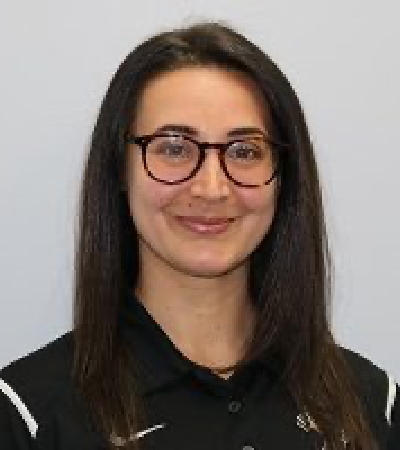
Dr. Julia Callaghan
B.Sc. (Hons), DC
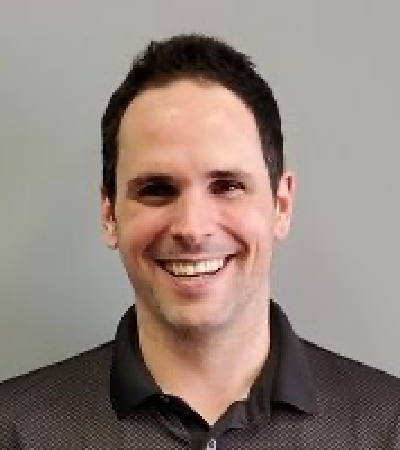
Dr. Joel Dixon
B.Kin. (Hons), DC

Dr. Michael Frey
B.Sc. (Hons.), DC
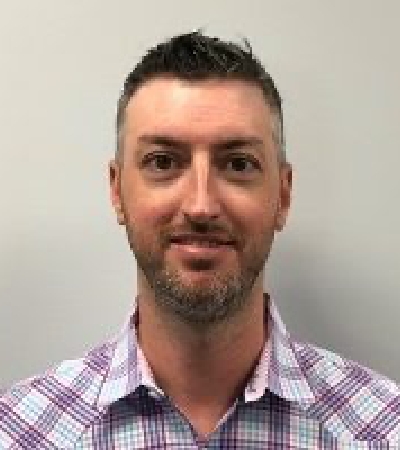
Dr. Kevin Fuss
B.Sc, DC
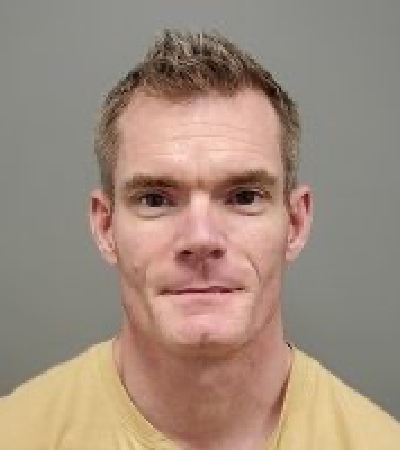
Dr. Andrew Robb
BA, DC, FRCCSS(C), CSCS, Acu., ART®
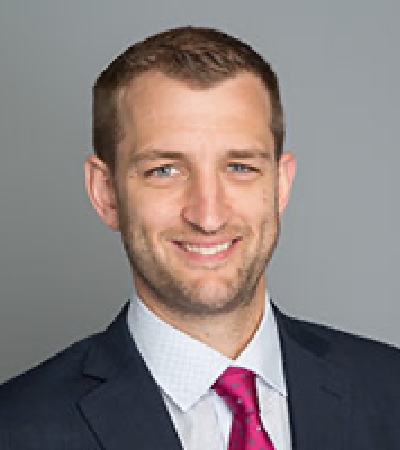
Dr. Nick Bayley
MD, FRCS(C), Dip Sport Med

Dr. Olivier Gauthier-Kwan
MD, FRCS(C)
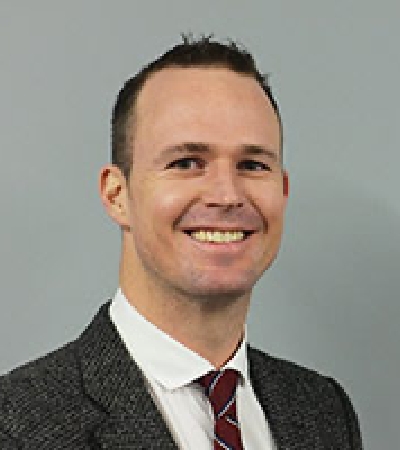
Dr. Chris Geddes
MD, MSc, FRCS(C)

Dr. Brandon Girardi
MD, MEd, FRCS(C)

Dr. Paul Grosso
MD, FRCS(C)

Dr. Thomas Hupel
MD, MSc, FRCS(C)

Dr. Rick Lau
MD, MSc, FRCS(C)

Dr. Matthew Snider
MD, FRCS(C)

Dr. David Stevens
MD, BSc, FRCS(C), CIME

Dr. Horacio Yepes
MD FRCSC
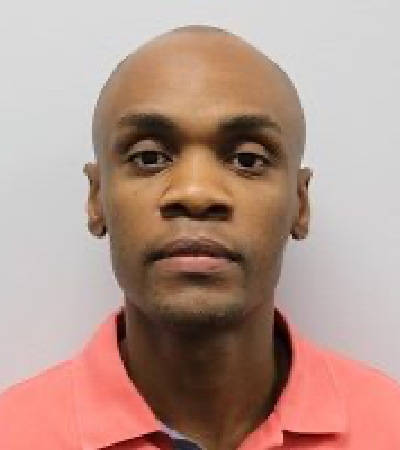
Dr. Kevin Asem
MD, CCFP(SEM), Dip Sport Med

Dr. John McCuaig
MD, CCFP(SEM), Dip Sport Med

Alicia Petrie
CCPA, B.Sc.PA, B.Sc.Kin (Hons)

Kim Schlattman
CCPA, B.H.Sc. PA, BSc. (Hons)